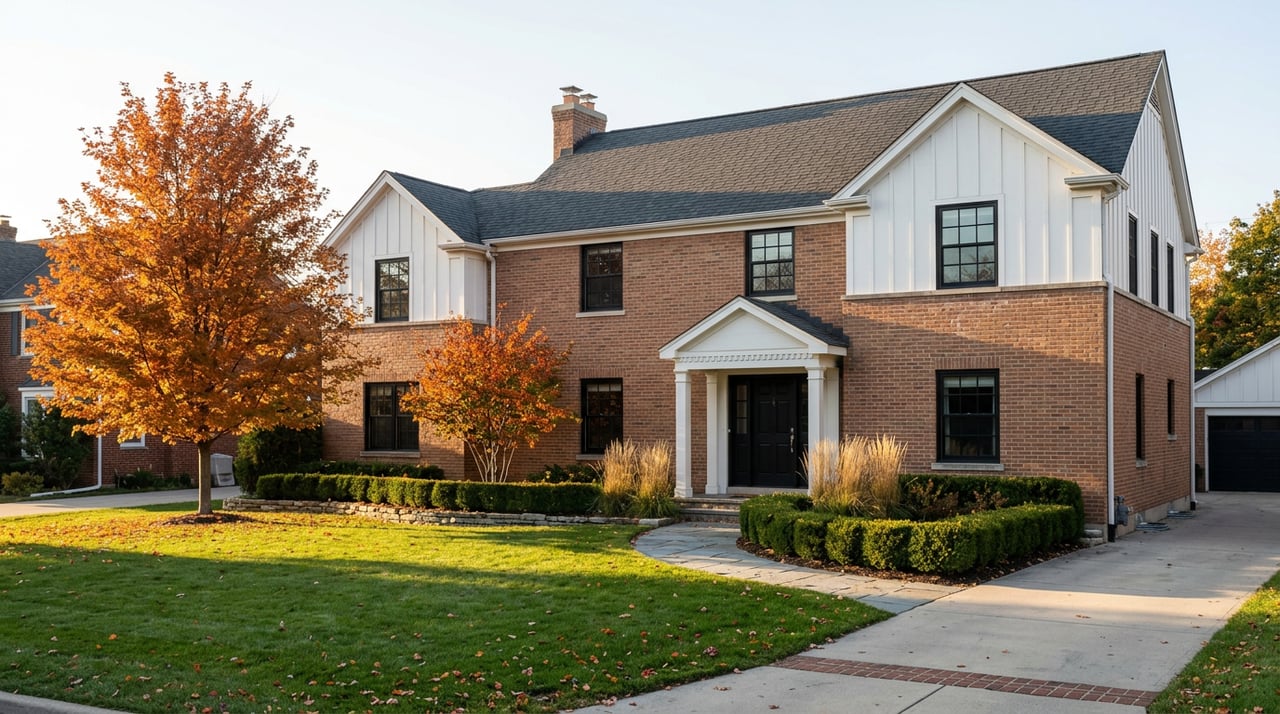
Electric Works in Fort Wayne This Fall: What's Changing
Walk into Union Street Market on a Tuesday afternoon this month and you will notice the quiet before you notice the food. Half the East Hall stalls that used to hold local honey, fresh seafood, and a USDA-backed produce stand are gone. The West Hall, once anchored by a full-service brewery, now has an empty storefront where Chapman's Brewing used to pour. If you only follow Electric Works through its worst headlines from earlier this year, you would think the whole campus was quietly closing up shop.
You would be wrong, and the reason why says more about how this corner of Fort Wayne actually works than any single restaurant opening or closing ever could.
Union Street Market opened in November 2022 with 13 vendors and a mission statement: support Northeast Indiana food producers, expand healthy food access, give small operators a low-risk place to test a concept. That mission has held up better than the original roster. Over the past two years, Brooks BBQ and Chicken, Bee Great Marketplace, B&B Meat and Seafood Market, and Bragg-A-Lot Sweets & Drinks all closed their stalls. Kekionga Craft Company left in October 2024, though it kept its original Maysville Road location running the whole time. Plowshares, the agricultural co-op that ran the market's only fresh produce stand under a federal grant, packed up its equipment earlier this year after that funding didn't come through.
As of February, 10 of the East Hall's 14 stalls sat vacant. In April, Electric Works leadership was publicly searching for a new management group to run the market, and had temporarily shuttered the Crane Bar and the Neon Pear gift shop while they figured out next steps. Then came the bigger loss. Chapman's Brewing, the market's anchor dining tenant, closed abruptly in May after its owner's company, which had also been managing the market's bars, events, and coworking space, ran into financial trouble tied to unpaid rent. Employees showed up to find themselves locked out.
Market leadership has been candid about what this is. In a 21Alive report, they called the space an "incubator," and pointed out that turnover is a normal part of running one. That framing matters, because it changes what this story actually is. A food hall built to help new food businesses test the market is supposed to lose some of them. The mistake is reading vendor churn as proof the whole campus is struggling.
If you are planning a lunch or dinner run to Electric Works this fall, here is what you will actually find open.
| Still open at Union Street Market | Closed since 2024 |
|---|---|
| ACO Sushi | Brooks BBQ and Chicken |
| Buyamba Sandwich Company | Bee Great Marketplace |
| Buyamba Sweet Shoppe | B&B Meat and Seafood Market |
| Conjure Coffee | Bragg-A-Lot Sweets & Drinks |
| Ghibli Mediterranean Cuisine | Kekionga Craft Company |
| Johnny Ox Pizzeria | Plowshares at the Market |
| O-Cha Thai | Chapman's Brewing |
| Pasta di Guy | |
| Savor Burgers & More |
Nine independent merchants, spanning sushi, Mediterranean, Thai, made-to-order pasta, and Fort Wayne's original farm-to-table pizza from Johnny Ox, are still running daily. Conjure Coffee still opens early for anyone heading into the Do It Best headquarters or the Amp Lab classrooms upstairs. That is a smaller list than the market's early ambitions promised, but it is not nothing, and it is not the ghost town the vacancy photos from February suggested.
Here is the part of the story that got far less coverage than the vendor departures. In April, while the market was in the middle of its worst stretch, Electric Works cut the ribbon on the full opening of The Elex, the campus's $100 million second-phase apartment building. The project delivers 296 units directly connected to the Electric Works campus by parking garage, with 89 units set aside as affordable housing and 59 reserved for residents 55 and older. The age-restricted building had already welcomed its first tenants back in 2025. The all-ages building followed, bringing the project to full occupancy this spring.
That is nearly 300 households now living close enough to Union Street Market to walk over for lunch, whether or not their favorite stall from 2022 is still there. The development team behind the project called it a way to meet housing needs the city was already facing, not just fill out a masterplan. Whatever the food hall's occupancy rate looks like on a given month, the residential side of Electric Works just added a permanent, built-in customer base that was not there a year ago.
This is the split worth understanding if you live anywhere near the Broadway corridor: Electric Works is not one project with one health metric. It is a food hall experiment that behaves like every other food hall experiment, with real turnover and real risk for the small businesses inside it, sitting next to a housing development that just hit full occupancy and a farmers market that has never missed a season.
That third piece matters more than it gets credit for. The Summit City Farmers Market has run out of Dynamo Alley every summer since Electric Works opened to the public, Saturdays from 9 a.m. to 1 p.m. and Wednesdays from 4 to 7 p.m. This month it moves indoors into Union Street Market for its 2026 winter season, a shift the campus makes every year regardless of which restaurant tenants are coming or going next door. The market's continuity is the clearest sign that the campus's actual anchor was never any single restaurant. It is the recurring calendar: the farmers market, the Bikes on Bricks motorcycle meetups, the evening Croozers rides that use Electric Works as a starting point, the job fairs that bring people onto campus who have never set foot in the food hall at all.
None of that shows up in a headline about a shuttered brewery. All of it is why the campus keeps drawing people back even during a rough stretch for its restaurant roster.
If your read on Electric Works has been shaped by the vendor closures alone, it is worth separating the two stories the way the campus itself has, whether intentionally or not. The retail experiment inside Union Street Market is going through the kind of shakeout every young food hall goes through, and the current management search suggests the next chapter there is still being written. The housing and event side of the project, meanwhile, just posted its strongest quarter yet, with nearly 300 new units filled and a farmers market that never skipped a season.
For a neighborhood built on the site of a shuttered General Electric plant that closed in 2015 and sat empty for two years before redevelopment began, that kind of resilience is not a small thing. The campus has weathered a pandemic, a change in food hall management, and the loss of its anchor brewery, and it still has a full residential building, a functioning farmers market, and nine independent restaurants serving lunch today.
That is not a neighborhood in decline. It is a neighborhood with two different clocks running at two different speeds, and knowing which one you are watching changes how you read every headline that comes out of it next.
If you are curious about what any of this means for property values or timing near the Broadway corridor, or you just want a local's read on where Fort Wayne's next round of development is heading, Mya Williams is always glad to talk it through. Let's Connect.
Stay up to date on the latest real estate trends.
Experience personalized service, honest communication, and dedicated support from your first consultation through closing day. Partner with Mya Williams for expert guidance, local knowledge, and a client-first approach to every real estate transaction.